Slovenia brings together Alpine mountains, historic towns, caves and a short Adriatic coastline. You can explore Ljubljana on foot, walk beside Lake Bled, visit Postojna Cave and spend an evening in Piran without travelling across a vast country. The distances are manageable, but mountain roads, public transport connections and seasonal opening hours still deserve careful planning.
This travel guide helps you choose destinations and build a realistic itinerary. Start with the overview below, then follow the links to detailed articles about individual places, transport and practical questions.
Slovenia at a glance
- Capital: Ljubljana, a compact city with a walkable historic centre.
- Best-known lake: Lake Bled, with its island and castle.
- For mountains: Lake Bohinj, Kranjska Gora and the Soča Valley.
- For the coast: Piran, Portorož, Izola and Koper.
- Major cave attraction: Postojna Cave, visited on a guided tour with an underground train.
- Currency: euro.
- Getting around: trains and buses cover many routes; a car gives more flexibility for some rural areas.
Where should you go in Slovenia?
The right route depends on what you want from the trip. Ljubljana suits a city break and works as a base for excursions. The north-west offers lakes, mountain scenery and outdoor activities. Along the coast, historic towns and seaside stays provide a different atmosphere. In the east, Maribor and Ptuj reward travellers who have more than a few days.
For a first visit of about one week, two or three bases are usually more comfortable than changing accommodation every night. You might spend several nights in Ljubljana, continue to Lake Bled or Lake Bohinj, and finish on the Slovenian coast. The guide to choosing a destination in Slovenia compares these regions in greater detail.
Ljubljana: the capital and a useful first base
Ljubljana is a good place to begin. The historic centre lies along the Ljubljanica River, with bridges, squares, cafés and the Central Market close together. Ljubljana Castle stands above the old town. You can see a great deal on foot without trying to cover the entire city in one day.
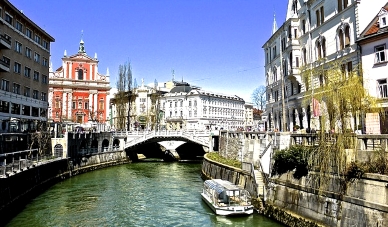
Start with a walk beside the river, cross a few of the bridges of Ljubljana and visit the Central Market. If you want a quieter afternoon, head to Tivoli Park. Its broad paths, pond, gardens and wooded surroundings provide a change from the streets of the centre. Our Ljubljana sights overview helps you choose what to see with one or two days available.
The capital also has practical advantages. Its railway and main bus stations are close together, making onward travel relatively easy. Many guided trips to other parts of Slovenia begin here. Before choosing one, check how much time the tour actually allows at its main destination and whether entrance tickets are included.
Guided tours from Ljubljana
A guided trip can be useful when you want to visit several places in a day or avoid arranging separate transfers. Compare the departure point, time at each stop and included tickets.
Lake Bled and the Julian Alps
Lake Bled is the image many people associate with Slovenia: a church on a small island, a castle above the shore and mountains in the background. It is popular, but there is more to do than take a photograph. A walk around the lake offers changing views, and you can choose a boat trip to the island or a visit to Bled Castle. In warmer months, use designated bathing places and follow local signs.
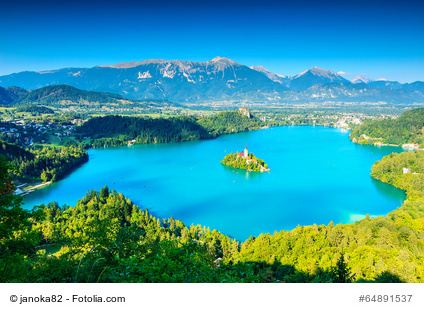
Bled works as a day trip, though an overnight stay gives you time to enjoy the shore after many day visitors have left. If you arrive by train, check the station carefully: Lesce-Bled and Bled Jezero are in different places, and neither should be confused with the central bus stop. The Lake Bled guide explains the island, castle, walking route and transport options.
Nearby Lake Bohinj offers another Alpine lake experience. It is a useful base for travellers who want to spend more time walking and exploring mountain landscapes. Do not assume the two lakes feel interchangeable: Bled has a prominent historic town and famous sights, while Bohinj invites a different pace and access to other parts of the mountains.
Kranjska Gora, Planica and the mountains
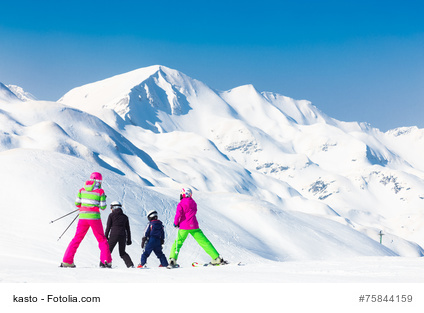
Kranjska Gora is an Alpine town close to Austria and Italy. It is known for winter sports, but Lake Jasna, the Zelenci nature reserve and walking routes make it interesting outside the ski season. Nearby Planica is associated with ski jumping and ski flying. Check event schedules and access if a competition is the reason for your visit.
The road over Vršič Pass links the Kranjska Gora area with the upper Soča Valley when conditions allow. It is a scenic mountain route with bends, altitude and changing weather. Check its current status before planning a crossing, especially outside summer. A mountain road that looks short on a map can take considerably longer than an ordinary drive of the same distance.
Bovec and the Soča Valley
The Soča Valley attracts visitors with its river, mountain scenery and outdoor activities. Around Bovec, guided rafting and kayaking trips are popular. There are also walks, waterfalls and viewpoints for travellers who prefer to remain on land. Choose an activity according to your experience, fitness and the day’s conditions rather than relying only on promotional photographs.
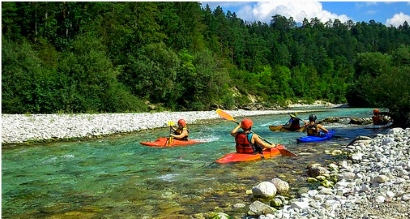
The Soča is beautiful, but it is a cold and powerful river. Use a qualified operator for white-water activities, follow local access rules and never enter unfamiliar water simply because a bank looks inviting. If your main reason for visiting is a river trip, allow some flexibility: weather and water conditions can affect whether an activity operates.
Bovec has no railway station. Check the complete road or bus journey to your accommodation, including the final connection. The wider guide to sport and outdoor activities in Slovenia can help you decide which experiences fit your trip.
Triglav National Park and responsible mountain travel
Triglav National Park protects a large part of Slovenia’s Julian Alps. Its lakes, valleys, forests and peaks attract hikers with very different levels of experience. You do not need to climb a high mountain to appreciate the area. A suitable valley walk or lake visit can be rewarding without the equipment and preparation required for an exposed summit route.
Mount Triglav is Slovenia’s highest peak and an important national symbol. Its cultural significance does not make the ascent a casual tourist walk. If you are considering a demanding route, examine the difficulty, conditions and equipment requirements carefully and seek qualified local guidance where appropriate. Mountain weather can differ sharply from conditions in a town below.
Stay on marked paths, take your litter away and respect rules in protected areas. Before a longer hike, check the weather, tell someone your route and carry what you need to finish safely. The emergency number in Slovenia is 112.
Piran and Slovenia’s Adriatic coast
Slovenia’s Adriatic coastline is short, so a coastal stay is less about travelling between many distant resorts and more about choosing the right base. Piran has a compact historic centre, Tartini Square, narrow streets and viewpoints above the sea. It is best explored on foot. Most ordinary visitor parking is outside the old centre; check the current garage tariff and how you will reach your accommodation with luggage.
Portorož has a stronger resort character, with larger hotels and seaside facilities. Izola offers another coastal town atmosphere, while Koper is the region’s main urban and transport centre. You can visit several of these places from one base without moving rooms each night.
Do not expect a continuous stretch of sandy beach along the coast. Bathing conditions vary between built waterfront areas, rocks and managed access points. Check local signs and choose a suitable place, particularly when travelling with children. A coastal holiday can combine swimming with old-town walks, local food and an excursion to the salt pans near Piran.
Where to stay in Slovenia
Compare accommodation in Ljubljana, the Alps and on the coast for your travel dates. Check the precise location, cancellation terms and transport or parking before booking.
Postojna Cave and Slovenia’s karst landscape
Postojna Cave is one of the country’s best-known attractions. The standard guided visit includes an underground train and a walking section. According to the cave operator, it takes about 90 minutes, and the cave remains around 10°C throughout the year. Bring a warm layer even if you are travelling on a hot summer day.
Choose a tour time that works with your train, bus or car journey and arrive before boarding begins. Postojna town, its railway station and the cave entrance are separate places. Check the final transfer rather than assuming the train delivers you directly to the attraction. Nearby Predjama Castle can be combined with the cave if you allow enough time and arrange the journey between them.
The cave is also a useful example of why Slovenia rewards a varied itinerary. On one trip you can experience an underground karst system, Alpine scenery and the Adriatic coast. Those landscapes are relatively close, but each deserves enough time to enjoy it.
Maribor, Ptuj and eastern Slovenia
Many first-time visitors stay in Ljubljana and the west, yet eastern Slovenia is worth considering on a longer holiday. Maribor is a regional city with its own sights, food and wine culture. It can serve as a base for exploring a part of the country that feels different from the coast or the Julian Alps. See the Maribor sights guide for a closer look.
Ptuj has a historic centre and castle setting. It suits visitors who enjoy walking through an old town without building the entire day around one famous attraction. Check opening hours for museums and other indoor sights, particularly if you are travelling outside the main season.
Adding the east to a week-long route can make the trip rushed. It fits better when you have more time or a particular interest in the region. Consider spending at least one night rather than treating every town as a brief stop between long drives.
Lipica and Slovenian traditions
Lipica is associated with the Lipizzaner horse breed. A visit can add something different to a route between the karst region and the coast. Check the current programme if you want a particular guided visit or performance; seeing the grounds and attending an event are different plans.
Slovenia’s regions also have distinct food and cultural traditions. Coastal cooking differs from what you may find in Alpine towns or the east. Take time to try local dishes, but examine menus and prices rather than assuming every restaurant described as “traditional” offers the same experience.
How to travel to Slovenia
Slovenia can be reached by rail, road and air. International trains connect Ljubljana with neighbouring countries and wider European routes. The guide to arriving by train covers ticket choices, transfers and the important distinction between stations serving the Lake Bled area.
Ljubljana Airport lies outside the capital. Check the onward public bus, shuttle, taxi or rental-car connection for your actual arrival time. There is no train station at the airport terminal. An alternative airport in a neighbouring country may sometimes be useful, but compare the complete journey to your accommodation rather than only the flight price.
If driving, check whether your route requires a Slovenian motorway e-vignette. Enter the vehicle details carefully and confirm the validity period before using a road where it is required. Parking can also influence your choice of accommodation, particularly in busy coastal and lake destinations.
Getting around Slovenia
Trains and buses can cover a substantial part of a visitor itinerary, but the most convenient option changes from route to route. Ljubljana is an important interchange. Some Alpine villages and trailheads need a further bus, taxi or car journey. Look up the timetable for the actual date: weekend, holiday and seasonal services may differ from ordinary weekdays.
A rental car provides flexibility for several rural stops, though it brings parking costs and mountain driving. You do not necessarily need one for an entire holiday. One practical approach is to visit Ljubljana by public transport and rent a vehicle only for the portion of the trip that benefits from it.
When comparing routes, use door-to-door travel time. A train to a station several kilometres from your hotel is not the end of the journey. Equally, a car may save little time if you must leave it in a garage and walk into a restricted old centre.
When is the best time to visit Slovenia?
There is no single best month for every itinerary. Warmer months suit lake walks, coastal stays and many outdoor activities, but popular places can be busy. Spring and autumn may be pleasant for city sightseeing and walking, while weather remains variable. Winter attracts visitors to mountain areas when conditions support skiing and other seasonal activities.
The coast and the Alps can have very different weather on the same day. Pack for the places and activities you plan, not just for the season printed on a calendar. A mountain pass may be cool or wet when the coast feels warm. The guide to the best time to visit Slovenia looks at these choices in more detail.
Practical information before you leave
Slovenia uses the euro and Central European Time. Cards are useful in many places, but some cash can help with small purchases. English is often understood in visitor areas; learning a few Slovenian greetings is still appreciated. Bring an adapter if your devices use a plug different from continental European sockets, and check the voltage label on electrical equipment.
Save tickets, accommodation addresses and important transport details so that you can access them without mobile data. Coverage may be weaker in mountain valleys. Check opening hours for a specific museum, restaurant or activity rather than assuming that every place follows the same schedule throughout the year.
Our practical Slovenia tips, prices guide and public holidays page help with the details. For urgent medical, fire or rescue assistance in Slovenia, call 112.
Suggested Slovenia itineraries
Three or four days: Ljubljana and one excursion
Stay in Ljubljana and explore its old centre, riverside and Tivoli Park. Use another day for Lake Bled or Postojna Cave. Choose one main excursion rather than trying to see the mountains, coast and caves in a very short break. If your flight arrives late, make the first day deliberately light.
One week: capital, Alps and coast
Spend two nights in Ljubljana, two or three near Bled or Bohinj, and the remaining nights on the coast. This provides a change of scenery without moving accommodation every day. Choose your order according to arrival and departure points. If a guided activity or a particular cave tour is important, check availability before fixing every hotel date.
Ten days or longer: add the Soča Valley or east
With more time, include Bovec and the Soča Valley or travel towards Maribor and Ptuj. Give these places their own nights. A longer holiday is an opportunity to slow down, not merely to add more stops. Keep at least one flexible day for weather, a longer walk or a place you discover during the journey.
Frequently asked questions
Is Slovenia suitable for a first independent trip?
Yes. Ljubljana and several major destinations are approachable by public transport. The main task is checking the final connection to your actual accommodation or attraction.
Do I need a car to visit Slovenia?
No. A city break and a route through well-connected places can work without one. A car offers more flexibility for remote areas, several rural stops or an itinerary with limited bus connections.
Should I choose Lake Bled or Lake Bohinj?
Choose Bled for its island, castle and established visitor facilities. Consider Bohinj if your priority is a different Alpine lake setting and more time around mountain landscapes. With several days, you can visit both.
Can I see Ljubljana, Postojna Cave and Piran in one day?
It is possible to travel between them, but that does not leave much time to experience each place. Divide them across separate days for a more comfortable trip.
How many days should I spend in Slovenia?
A few days suit Ljubljana and one excursion. Around a week allows two or three regions at a reasonable pace. More time makes it easier to include the Soča Valley or eastern Slovenia.