 Posted by
Where should you go in Slovenia? The answer depends on the kind of holiday you want. Ljubljana is a practical city base, Lake Bled and Bohinj offer different mountain experiences, the Soča Valley suits active travellers, and the short Adriatic coast combines historic towns with beach resorts. The distances look small on a map, but mountain roads and transfers deserve realistic planning.
At a glance
- First trip: Ljubljana, Bled or Bohinj, and one coastal or cave destination.
- City break: Ljubljana, with optional visits to Maribor or Ptuj.
- Mountains: Bohinj, Kranjska Gora or Bovec, depending on the activity.
- Sea: Piran for old-town atmosphere, Portorož for a resort stay, Izola for a quieter town.
- Without a car: favour a small number of bases and check the complete return journey.
How to choose a region
Start with your main purpose. A family focused on swimming should not automatically book a remote mountain village; hikers do not need to stay on the coast merely because the country has a shoreline. Think about season, travel companions, available transport and the amount of time you want to spend moving between hotels.
Slovenia can combine different landscapes in one holiday, yet a route with five overnight stops in five days leaves little time to enjoy them. Two bases for a week are often more comfortable. Use our travel-time guide for the seasons and check actual driving or public transport times on your dates.
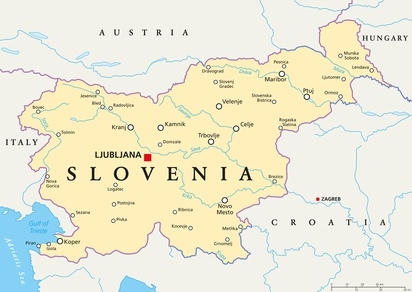
Ljubljana: best first city base
Ljubljana is a good starting point for a first visit. The old centre is compact, with the river, Plečnik’s bridges, market and castle close together. Stay two nights if you want a relaxed city day rather than only a brief stop between trains. Our sights guide helps plan a walk, and the Central Market is useful for a morning visit.
The capital has the broadest range of accommodation and transport connections. It is convenient for some day trips, but not every far-flung destination is enjoyable as a rushed return journey. Check the first and last bus or train before committing to a ticket or guided excursion.
Lake Bled: classic scenery
Lake Bled is a familiar image of Slovenia: a lake, an island church and mountains beyond. It suits visitors who want gentle lakeside walks, viewpoints and a broad choice of tourist services. Popularity also means busy paths and higher pressure on parking and accommodation in peak periods. Arriving early or staying overnight can give you more time to see the lake outside the busiest hours.
Bled is easy to combine with Ljubljana, but distinguish the lake area from its railway and bus stops when planning the final part of a trip. A day visit is possible, while a stay allows a slower walk and time for nearby scenery.
Lake Bohinj: a quieter mountain base
Lake Bohinj has a different feel. It lies within a wider Alpine landscape and is a useful base for walks, swimming in suitable conditions and access to mountain routes. The word “quieter” is relative: summer weekends can be busy. Respect the rules of Triglav National Park and the lake shore, and do not assume that every stretch is suitable for bathing or parking.
Choose Bohinj if mountain scenery matters more than a highly developed resort centre. Check local buses and weather carefully, particularly if you want to start a hike far from your accommodation.
Bovec and the Soča Valley
Bovec is a useful base for the Soča Valley, known for clear water and dramatic mountain landscapes. Rafting, kayaking and other activities depend on water levels, season and qualified operators. You do not need to take part in an adventure sport to appreciate the scenery; walking routes and viewpoints are an alternative.
Road approaches through the mountains can be slow or affected by weather. If you are relying on a tour, read the meeting point, transfers and age or fitness requirements. An activity should match your experience and comfort level.
Kranjska Gora and the northwest
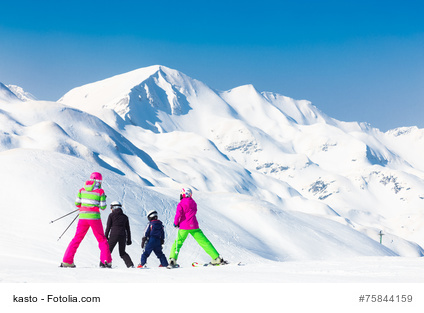
Kranjska Gora is associated with winter sports, but it also works for walks and cycling in warmer months. Snow conditions and lift schedules vary each year, so check current reports before booking a ski-focused holiday. Nearby Alpine scenery is attractive outside winter too, with different paths and road conditions by season.
Planica is another northwest destination for visitors interested in ski jumping and mountain setting. An excursion can complement a stay in Kranjska Gora without requiring a separate hotel move.
The Slovenian coast
Slovenia’s Adriatic coastline is short but has several distinct towns. Piran offers a dense historic centre and a memorable waterfront. Portorož is the main resort for beach facilities and wellness. Izola has a former fishing-town atmosphere, while Koper is a larger city with transport connections and an old centre.

Do not picture a continuous sandy beach. The coast includes different surfaces, managed bathing areas, stone sections and access by steps or ladders. Pick a base according to your actual priorities. The coast guide compares the towns in more detail.
Postojna and the Karst
Postojna Cave is a major cave attraction with organised visits. Book for a suitable entry time and allow time for travel, queuing and cooler underground temperatures. The Karst also offers distinctive landscapes and the Lipica Stud Farm, home of the Lipizzan horses.
These destinations can fit a route between Ljubljana and the coast, but check the actual road or bus connections. Two ticketed attractions on one day leave little margin if the first visit takes longer than expected.
Eastern Slovenia: Maribor and Ptuj
Maribor, on the Drava River, is Slovenia’s second-largest city and a useful base for eastern excursions. Wine culture, riverside walks and the old centre offer a change from the Alps and coast. Ptuj has a compact historic core and makes a rewarding separate stop.
Eastern Slovenia can suit travellers who have already seen the famous western sights or who want a less compressed itinerary. Instead of using Ljubljana for every excursion, consider staying a night or two in the region.
Best destinations for families
Families often appreciate a base with simple transport, nearby food options and flexible outdoor time. Ljubljana works for short walks and parks; Bled offers an accessible lake setting; Portorož has resort facilities. Bohinj can be excellent for active families who check conditions and choose suitable trails.
A holiday with children is easier when you leave room for weather and fatigue. Avoid planning a cave tour, long mountain hike and late transfer on the same day. Check age and height requirements for organised activities and swimming safety at the exact shore you choose.
Hiking and active holidays
For hiking, match trail difficulty to experience. Alpine routes around Triglav National Park are not equivalent to easy lakeside paths, even if both appear close on a map. Carry suitable equipment, check weather and respect seasonal closures. Bovec, Bohinj and Kranjska Gora can each serve different mountain interests.

Cyclists should consider hills, road traffic and the availability of bike transport before choosing a route. Water activities in the Soča Valley need a reputable operator and appropriate safety equipment. The most enjoyable active trip is usually the one with a realistic daily schedule, not the largest number of activities.
Winter trips
Winter choices range from ski resorts to city museums and seaside walks. Kranjska Gora and other mountain areas may offer snow sports when conditions cooperate; a city break in Ljubljana is less dependent on snow. Check snow reports, lift operation and road conditions close to departure. Do not assume a particular slope is open throughout the season.
A coastal town in winter is quiet rather than a classic beach destination. Some services may reduce hours. For visitors who value wellness and walks, that quieter atmosphere can still be appealing.
Find an excursion that fits your route
Compare guided visits and activities by starting point, duration and what is included.
Without a car
Ljubljana, Bled and larger coastal towns are easier to plan with public transport than an isolated trailhead. Bus and rail routes do not always follow the shortest road line. Compare the full door-to-door journey, particularly the final stop and return connection. Our train guide and airport guide can help with arrival planning.
Choose fewer bases if you are carrying luggage and changing between buses. A day trip with a guided transfer can be worthwhile when independent transport is awkward, but confirm the itinerary and admission arrangements.
Sample one-week itinerary
Spend two nights in Ljubljana, with one full day for the centre. Continue to Bled or Bohinj for two or three nights and choose walks according to conditions. Finish with two nights on the coast, perhaps staying in Portorož and visiting Piran, or staying in Piran and using local transport for a beach day. This is a framework, not a race: add nights where your interests are strongest.
If you prefer adventure, replace the coast with Bovec. If you prefer cities and wine, add Maribor and Ptuj. A strong itinerary reflects your interests rather than a supposed obligation to see every famous sight.
Choose your accommodation base
Compare the map location and travel times before booking several stops.
Frequently asked questions
Where should I go on a first trip?
Ljubljana plus one mountain or lake base and one coast or Karst destination offers variety without too many hotel changes.
Where is best for swimming?
Portorož is a practical seaside resort; lakes have designated or suitable areas subject to local rules and conditions.
Where is best for hiking?
Bohinj, Bovec and Kranjska Gora are useful bases for different routes. Match each trail to your experience.
Can I see everything in a weekend?
No. A weekend is better spent in one area with perhaps one nearby excursion.
Three common planning mistakes
The first is assuming that a small country requires little travel time. Mountain passes, weekend traffic, public transport connections and timed cave entries can turn a short map distance into a full day. The second is booking a beach base when you mainly want Alpine hiking, or a remote valley when you want frequent city museums. The third is changing accommodation every night and losing afternoons to luggage and check-in.
To avoid these problems, write down two or three priorities before choosing hotels. Put them on a map, compare actual journey times and allow a weather alternative. A coast-and-mountains trip works well when each region has enough nights to justify the transfer. If you have only a long weekend, one region plus a nearby excursion is usually more rewarding.
Choosing between Bled and Bohinj
Bled is an easy choice for a first-time visitor who wants the famous lake view, services and a relatively simple town base. Bohinj suits those who want a wider mountain setting and access to walks. Neither is an empty wilderness in summer, and each has rules for parking and water use. You can visit both, but staying in one place allows you to experience mornings and evenings beyond a brief day trip.
Choosing between Piran and Portorož
Piran is a town to explore on foot: squares, lanes and waterfront views form the main attraction. Portorož is organised around a resort promenade, beach facilities and hotels. The towns are close enough to combine. Choose where to sleep according to the atmosphere you want at the end of the day, and use the other for an outing.
Budget and season
Accommodation and activity prices change by location, date and demand. Compare the total for your route, including transfers and parking, rather than assuming one Slovenian region is always cheaper. Shoulder seasons can offer comfortable walks but less predictable swimming or mountain conditions. Check what is open on your dates and keep a weather alternative.
Finally, leave time for rest between regions. Slovenia rewards slow travel.