 Posted by
Maribor is Slovenia’s second largest city and the main urban centre of the country’s northeast. It sits beside the Drava River, with vineyards on nearby slopes and the wooded Pohorje hills to the south. Its historic centre is compact enough to explore on foot, while the surrounding region rewards a longer stay. If you are travelling between Austria and Slovenia, Maribor also makes a practical stop rather than simply a change of trains.
- Best for: a walkable city break, wine culture, riverfront walks and excursions into Pohorje.
- Allow: one full day for the centre; two or three days with nearby hills and wine country.
- Key areas: the old town north of the Drava, Lent along the river, and the slopes south of town.
- Getting around: walk in the centre; use local buses or other current transport options for farther destinations.
- Good to know: opening hours, tours and seasonal activities change; check the venue before setting out.
Why visit Maribor?
Maribor feels different from Ljubljana or the resorts on Slovenia’s coast. The Drava gives the city a broad, open setting; older streets and squares reflect a Central European trading town; and vineyards begin close to the urban area. It is large enough to have museums, theatres and everyday city life, yet the central sights are close together. Many visitors can see the main streets without planning complicated transfers.
Wine is an important part of the local identity, but it need not dominate your visit. A traveller who prefers architecture can focus on squares, religious buildings and the riverfront. Families can combine an easy centre walk with green space. Active visitors can use Maribor as a base for cycling, hiking or winter activities in Pohorje, subject to weather and operating conditions.
The old town and its main squares
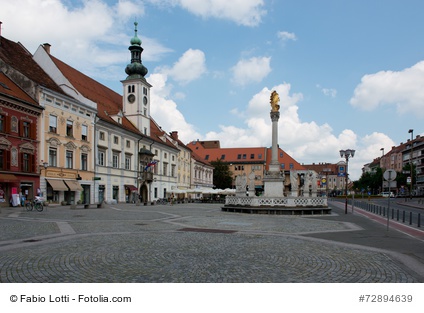
Begin at Glavni trg, the Main Square, and walk the surrounding streets slowly. Maribor’s older centre is more rewarding at pedestrian pace than from a vehicle. Notice the different ages of façades, the shifts between larger civic spaces and smaller lanes, and how quickly the route leads toward the Drava. The square is a useful point of orientation for a first visit.
From there, continue toward Slomškov trg and the cathedral area. Cafés, shops and public buildings give the centre an everyday role beyond sightseeing. The cathedral, associated with Anton Martin Slomšek, is an important local landmark. Check whether the interior is accessible on the day; services and events can affect visiting arrangements. For more individual places, see our separate guide to Maribor’s sights.
If you have limited time, avoid rushing from one marker to the next. The pleasant part of Maribor is often the connection between its squares and the riverside. A loose loop through the old town provides a better impression than a list of stops visited only for photographs.
Lent and the Old Vine
Lent is the historic district beside the Drava. The riverfront has long been connected to trade, transport and the movement of rafts. Today it is a place for walking, sitting by the water and understanding why the city developed here. Parts of the embankment can change with construction or events, so follow local signs if a section of the promenade is temporarily diverted.
Maribor’s best known symbol is the Old Vine, which grows against a house in Lent. The local tourism organisation presents it as the world’s oldest fruit-bearing grapevine, and the site has become a focus for wine culture in the city. You can see the vine from outside without buying a tasting. The nearby exhibition and tasting opportunities have separate opening hours and charges; check the official Old Vine visitor information before planning an indoor visit.
Wine fans can try local varieties and ask about the surrounding Štajerska region. If you do not drink alcohol, Lent is still a worthwhile part of a Maribor itinerary. A walk across a bridge offers views back toward the red roofs and the riverfront. Morning and evening light change the appearance of the water and buildings, but the public area can be enjoyed at almost any convenient hour.
What else is there to see?
The city’s museums and galleries provide a useful alternative in rain or winter. Look at current exhibitions rather than assuming a permanent display will be open every day. Maribor Castle and the regional museum are among the central cultural options. Photography rules, entry fees and language availability differ by venue. For a short visit, choose one museum that matches your interests and leave time for the street-level experience of the city.
Maribor’s urban parks offer a break from stone streets. Mestni park is close enough to include in a relaxed walk, and the northern vineyard slopes create a distinctive backdrop. Paths can be uneven after rain; comfortable shoes are useful even on a city day. On a clear day, a viewpoint above the centre can help you see the relation between the river, the old town and the surrounding hills.
Public events can change the city considerably. The Lent Festival is associated with summer performances, while wine-related events and seasonal markets bring people into the centre at other times. Dates, locations and admission arrangements vary from year to year. Use the official Visit Maribor calendar shortly before travel rather than relying on an old event listing.
Pohorje: hills close to the city
Mariborsko Pohorje is a wooded hill area south of Maribor. It is a good reason to allow more than one day here. Depending on the season and current operation, visitors come for walking, cycling, skiing or simply views over the region. Conditions in the hills can differ from those in the city: bring suitable layers, check the forecast and know the route back before a long walk.
Do not assume lifts or attractions operate daily throughout the year. Maintenance periods and weather affect services. For a first outing, a modest marked path with a clear return point is usually more satisfying than an ambitious hike squeezed between trains. If you plan downhill cycling or winter sport, check the provider’s current safety information and whether equipment and instruction are available.
The contrast between urban sightseeing and nearby hills is one of Maribor’s strengths. You can spend a morning around the Old Vine and an afternoon outdoors, or reserve a separate day for Pohorje. Travellers whose main goal is mountain scenery should also compare the Julian Alps around Lake Bohinj and Kranjska Gora.
Compare the route and meeting place before booking. Many tours listed for Slovenia start in Ljubljana rather than Maribor.
Shopping and food in Maribor
Central Maribor has shops scattered around its pedestrian streets and squares. Europark, across the Drava, is a larger shopping centre and a separate destination if shopping is your priority. Read our Maribor shopping guide for more detail. Remember that normal retail shops in Slovenia generally close on Sundays and public holidays; exceptions are limited. Our opening hours guide explains the practical rules.
Local menus often show the influence of northeastern Slovenia: hearty dishes, seasonal ingredients and wines from the wider Štajerska area. You do not have to commit to a formal tasting to explore the food scene. A lunch near the centre, a bakery stop and a slow evening by the river can fit easily into a city day. Check menus and current prices outside the entrance before sitting down if budget matters.
Restaurant recommendations age quickly. Ownership, quality, opening days and menu prices may change. Instead of choosing a place solely from an old list, look for a currently operating kitchen near your route, check the posted menu, and reserve ahead for a busy evening or a larger group.
Getting to Maribor
Maribor has a railway station east of the historic centre and is connected with other Slovenian cities and neighbouring countries. Travellers from Austria commonly pass through Graz; those from central Slovenia may travel through Ljubljana or Celje. The exact number of direct trains changes with timetables and engineering works, so verify the route and ticket conditions for your date. Our guide to arriving in Slovenia by train gives broader planning advice.
Intercity buses provide another option. Compare total journey time, not just the ticket price: departure points, transfers and the walk to your hotel matter. The bus and railway stations are relatively close to one another, but allow enough time for a connection. From the stations, the centre is walkable for many visitors with light luggage; those with heavy bags may prefer local transport or a taxi.
Drivers arriving from Austria or other Slovenian regions should check road conditions, parking terms and any motorway vignette requirement before departure. A hotel outside the pedestrian centre may be easier if you intend to make several road trips. Read our Slovenian vignette guide before using motorways or expressways. Do not assume that an old parking price remains valid.
Where to stay
A central address is convenient for a short visit focused on sights, restaurants and train connections. If your main purpose is hiking, skiing or cycling on Pohorje, staying farther south can save repeated transfers. Check the precise location on a map: listings labelled “Maribor” can include neighbourhoods a substantial distance from Glavni trg.
Compare cancellation conditions, breakfast, parking and public transport, especially if you arrive late. In the warm season, rooms near events and the riverfront may fill sooner than expected. In winter, consider how you will reach the hills and whether your accommodation has secure storage for equipment. A quieter base is not necessarily better if it adds an inconvenient daily trip.
Compare hotels, guesthouses and apartments by location, travel dates and cancellation terms.
A one-day walking plan
Start in the old town while the streets are still relatively quiet. Walk through Glavni trg and toward the cathedral, then explore the side streets without trying to enter every building. Continue down to Lent to see the Drava and the Old Vine. Lunch can be taken near the centre; later choose a museum, a riverside walk or a route toward the park according to weather and interests.
In the evening, return to the river or find a restaurant away from the busiest streets. This route keeps the important areas close together and leaves room for a spontaneous exhibition or a long café break. It works better for a first visit than adding Pohorje and multiple outlying stops into the same day.
With a second day
Use a second day for Pohorje or for a slower look at the surrounding wine region. Check lift operation or tour departure arrangements in advance. If you are continuing through Slovenia, consider pairing Maribor with Ptuj, a smaller historic town, or with Ljubljana for a contrast between the country’s two largest cities. A longer route can also include the cave region around Postojna Cave.
Practical questions
How long do you need in Maribor?
One full day covers the central squares and Lent at a comfortable pace. Two nights allow for a museum and an excursion to Pohorje or the surrounding countryside without turning the city into a hurried stop.
Is Maribor easy to explore without a car?
Yes for the historic centre. Many central places are walkable. A car can be useful for more remote countryside, but first compare buses, seasonal services and organised outings for the exact place you want to visit.
Is the Old Vine worth visiting without a tasting?
Yes. The vine and Lent help explain the city’s relationship with wine and the river. An indoor programme is optional and should be checked for current hours.
What is the best season?
Spring and autumn can be comfortable for city walking. Summer brings longer days and events; winter suits visitors interested in seasonal atmosphere or snow activities when conditions permit. There is no single best month for every kind of trip. See our Slovenia travel season guide for the broader picture.