 Posted by
 Ljubljana is a compact capital with a remarkable range of sights within walking distance. The river, old streets, bridges, Central Market and hilltop castle make a strong first day. Architect Jože Plečnik shaped much of the public space; his contribution helps explain why a simple walk through the centre feels so coherent.
At a glance
- First visit: Prešeren Square, Triple Bridge, Central Market, Old Town and castle.
- Time: one full day for the main centre, two or three for museums and parks.
- Getting around: walk through the pedestrian centre; use buses for longer trips.
- Viewpoint: castle hill, reached by a steep walk or funicular.
- Nearby: Tivoli Park, riverside neighbourhoods and day-trip connections.
Prešeren Square
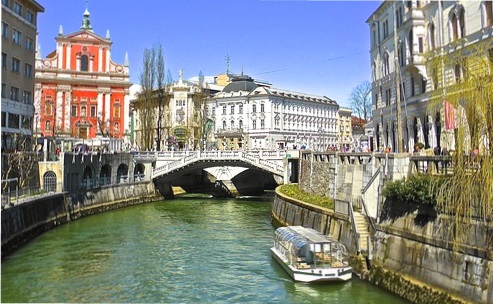
Prešernov trg is a natural starting point. The Franciscan church, monument to poet France Prešeren and approach to the Triple Bridge form one of the city’s most recognisable scenes. Pause before crossing to see how the square, water and bridges connect. You do not need an elaborate route to enjoy Ljubljana; the centre rewards a slow walk and frequent stops.
Our broader Ljubljana guide provides city orientation. This article focuses on sights you can combine in a practical visit.
Triple Bridge and Plečnik
Tromostovje consists of an older central crossing joined by two pedestrian bridges designed by Jože Plečnik. It is both a transport link and a public gathering space. From here, you can walk toward the old town, follow the river or head to the market. Plečnik’s human-centred urban design in Ljubljana was recognised by UNESCO in 2021.
The architect also worked on the riverside market and other urban spaces. Seeing these places together is more informative than treating each as a separate photograph. Our guide to the bridges gives a more detailed walking route.
Central Market
The Central Market combines open-air stalls, covered food shops and Plečnik’s colonnade along the Ljubljanica. Visit in the morning if you want to see shopping at its most active. The actual vendors and hours vary with day and season. Even when shops are shut, the setting beside the river is worth a look.
Market and bridges fit into one short circuit: cross the Triple Bridge, browse the stalls, see Butchers’ Bridge and continue to Dragon Bridge. You can return on the opposite bank for a fresh view.
Ljubljana Castle
The castle stands above the historic centre, with exhibitions and views across the city. Reaching it on foot involves a climb; the funicular is easier. Ticket options can differ in whether they include transport, the tower or individual experiences. Check the official castle website for current admission and hours.
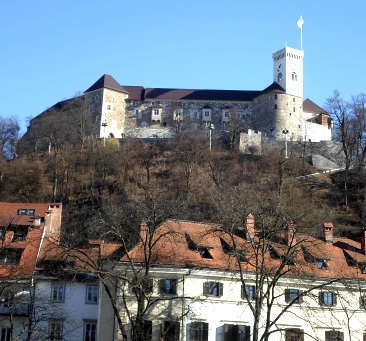
Allow time for the outdoor viewpoints. They reveal the river’s route, the tight pattern of old streets and wooded hills nearby. On clear days the mountain backdrop adds to the panorama. The castle can feel different by evening, although individual exhibits may have shorter opening times than the grounds.
Old Town lanes
On the castle side of the river, walk through Mestni trg, Stari trg and nearby streets. Historic façades, courtyards, restaurants and small shops create a different rhythm from the busier square at the Triple Bridge. The Town Hall and Robba Fountain area make a useful pause. Take a lane that interests you rather than walking only in a straight line toward the next attraction.
Use one riverbank to walk south and the other to return. This turns the bridges into part of the experience. The old town is pleasant in the evening too, when illuminated buildings and waterside terraces draw visitors back.
Dragon Bridge
Zmajski most is famous for its dragon sculptures, an emblem of Ljubljana. The bridge’s Art Nouveau character contrasts with Plečnik’s later work. It carries traffic, so keep to safe pedestrian space when taking pictures. From the riverbank you can appreciate the structure rather than seeing only a close-up of a dragon.
Nearby Butchers’ Bridge brings contemporary art and love locks into the cityscape. Farther south, Cobblers’ Bridge provides another distinctive crossing. These bridges are close enough for a short self-guided walk.
Cathedral of St Nicholas
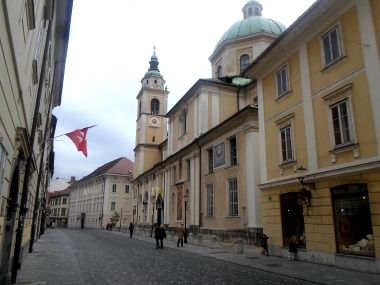
Ljubljana Cathedral stands near the market. Its dome, doors and interior repay closer attention. Religious services and events can affect visiting arrangements, so check before going inside and behave respectfully if worship is taking place. The square around the cathedral links easily to both the market and old town.
The Ljubljanica riverside
The river is not only a line between sights; it is a place to spend time. Walk both banks to see bridges from new angles, pause at a café and watch the city move at a slower pace. A boat tour can show the embankments and bridge structures from below. Check departure points, duration and weather conditions before booking.
Ljubljana Card
The Ljubljana Card may include city buses and admission to a selection of museums and attractions. It can make sense if you plan several paid activities within its validity period. If your day is mainly a free walk along the river, compare individual tickets first. Check the current list of inclusions, opening hours and redemption instructions before buying.
Check current attractions and duration for your itinerary.
Museums and galleries
Ljubljana has enough indoor sights to make a rainy day worthwhile. Choose a museum or gallery that matches your interests rather than rushing through several. The National Gallery offers art, while the National Museum provides historical collections. Smaller venues and changing exhibitions add options. Check each institution’s own schedule, especially on Mondays and public holidays.
A balanced day might pair one exhibition with a market visit and a walk to the castle. Families can alternate an indoor stop with a park or open space to keep the day enjoyable.
Tivoli Park
Tivoli Park begins close to the centre and offers broad paths, lawns and a calmer atmosphere. It is a good second-half-of-the-day choice after crowded old-town streets. Follow a short promenade or continue into the wooded hills if your time and fitness allow.
The park also shows another side of the capital: Ljubljana is not limited to the postcard view of the river. A longer stay can include green neighbourhoods and everyday city life beyond the tight centre.
Food and evenings
Market produce, cafés and restaurants offer many ways to structure a day. Have an early market snack, a slower lunch beyond the busiest square and an evening drink by the river. Menus and prices vary, so read current information rather than relying on an old recommendation. Reserve at busy times if a specific restaurant matters.
The centre is atmospheric after dark. Bridges and façades are lit, while the castle is visible above the roofs. A repeat walk can be worthwhile even if you saw the same route in daylight.
Compare walking tours, castle visits and river activities. Check meeting point and ticket inclusions.
One-day route
Begin at Prešeren Square, cross the Triple Bridge and see the Central Market. Continue to Dragon Bridge, then return past the cathedral into the old town streets. After lunch, climb or take the funicular to the castle. Finish at Cobblers’ Bridge and the riverfront. Allow flexibility for rain, heat and opening times.
With two days, give a museum proper time and add Tivoli Park. With three days, enjoy a slower neighbourhood walk or use Ljubljana as a base for a separate excursion to Lake Bled or Postojna Cave.
Compare central locations with hotels near bus and rail connections for day trips.
Frequently asked questions
Is the centre walkable?
Yes. Many major sights lie close together in a pedestrian area. The castle hill is the most noticeable climb.
Do I need a city card?
Only if its included activities match your plans. The bridges, squares and outdoor market setting can be explored without one.
What is good in bad weather?
Choose a museum, gallery or castle exhibition, then make a shorter riverside walk when the rain eases.
Architecture beyond the postcard
Plečnik’s work in Ljubljana is easiest to understand as a network of places for people. The Triple Bridge moves pedestrians across the river; the market gives trade an orderly setting; embankments invite a walk. Rather than ticking off each monument, follow the connections. Stand at one end of a bridge, identify where people naturally go next and see how architecture directs that movement.
The city also contains Baroque façades, Art Nouveau details and contemporary spaces. A guided walk can explain these layers, but a self-guided visit works if you allow time to look carefully. Older buildings may have modern uses, and not every historic interior is open without a ticket.
Two-day sightseeing plan
On day one, focus on the river and old centre: Prešeren Square, Triple Bridge, market, cathedral and castle. Keep a meal and café break in the schedule. On day two, visit a museum in the morning, walk through Tivoli Park and return to the river for a boat ride or an evening stroll. This avoids making the first day an exhausting sequence of entrances.
If it rains on the first day, reverse the plan. Opening hours of museums and temporary exhibitions matter more than the sequence of outdoor bridges. Families might replace an adult-focused gallery with a park or another suitable attraction.
Getting to the centre
The main bus and rail stations lie within walking reach of the centre for many visitors, but the exact distance to a hotel or castle varies. Ljubljana’s airport is outside the city, so plan the transfer separately. If arriving by car, check parking location and pedestrian access; many central streets are not ordinary through-roads.
The old town is best experienced on foot. A bus can help reach a more distant hotel or neighbourhood, but it does not replace the central walk. If mobility is limited, choose a shorter loop and use the castle funicular rather than planning a steep ascent.
Quiet alternatives
When the central squares feel crowded, continue beyond the most photographed bridge. Smaller lanes, a longer stretch of embankment or Tivoli Park can make the day less hectic. Early morning is useful for photographs of buildings; evening suits a relaxed meal. A city visit is more memorable when you have time to notice ordinary details between famous sights.
Do not feel obliged to enter every museum on one pass. Choose one with a subject you genuinely want to explore and leave another for a future trip. Ljubljana’s compactness makes returning to a favourite place easy.
More time around the centre
If you can stay longer than a day, explore the streets beyond the river. Ljubljana’s appeal comes partly from its scale: you can leave a busy square and find a calmer lane within minutes. Take an unplanned route back to your hotel and notice bookshops, courtyards and small public spaces. The city also has cultural programmes that change throughout the year, so check local listings for an exhibition or performance during your visit.
For a third day, avoid another dense sightseeing checklist. Return to the market for breakfast, give a museum several hours or follow the river beyond the postcard centre. If you use Ljubljana as a base for Lake Bled or Postojna Cave, keep that excursion on a separate day and check the return transport before leaving. A relaxed evening in the capital is easier when you are not racing back from a late tour.
Accessibility needs vary. The pedestrian centre is compact but has historic paving and occasional steps; the castle ascent is steeper than the river walk. Choose a hotel and route that suit your mobility, and verify step-free access at a museum or tour before booking. With children, a park or open riverside break helps balance indoor stops.
Whatever route you choose, allow enough time to enjoy the city between its major sights. The river and old streets reward an unhurried second look.