 Posted by
 The best time to visit Slovenia depends on the trip you want. The Adriatic coast, Ljubljana, eastern wine country and high Julian Alps can feel like different destinations on the same day. Summer is useful for swimming and mountain activities, while spring and autumn suit many city walks and lower-altitude hikes. Winter brings snow sports but also short days and mountain restrictions. This guide helps you match each region and activity to a sensible travel period.
At a glance
- City breaks: April to June and September to October are often comfortable for walking.
- Adriatic coast: June to September for a beach-oriented trip; July and August are busiest and often hottest.
- Alpine hiking: Many higher routes are mainly summer activities; conditions and snow can vary into the shoulder seasons.
- Lakes and outdoor sports: Late spring through early autumn offers a broad choice, with local conditions determining each activity.
- Winter sports: Check live snow and lift reports rather than relying on a fixed national ski season.
- Best compromise: Late May, June or September for a multi-region trip, depending on whether swimming or high-altitude hiking matters most.
Why Slovenia has no single best month
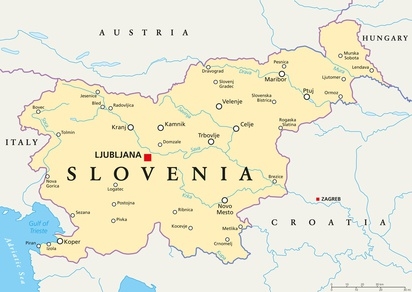
Slovenia is small on a map, but mountains, inland basins and a short Adriatic coast create different local climates. A warm afternoon in Piran does not tell you what a high trail near Lake Bohinj will feel like. Temperature, rainfall, wind, snow cover and daylight all matter. The best travel month depends on whether you want a swim, a city break, a family lake holiday, a quiet coastal walk or winter sport.
A common mistake is to apply a simple Mediterranean rule to all Slovenia. The coast has a maritime influence, while Ljubljana can have a much cooler winter and the Alps have true mountain conditions. Eastern Slovenia has its own seasonal pattern. A flexible itinerary is often better than setting identical activities every day. Give yourself an indoor option when planning outdoor highlights.
Climate averages are helpful for selecting a season but do not predict a particular week’s weather. Check the Slovenian Environment Agency’s current forecast and warnings before a hike, water activity or winter drive. Also consult attraction operators for schedules. A museum may be open year-round, while a cave visit, mountain lift or outdoor tour can follow a timetable that changes by season.
Spring: March to May
Spring can be attractive for Ljubljana, Maribor and lower landscapes. Trees and gardens become more colourful, and walking is often more comfortable than during a hot summer afternoon. March can still feel winter-like in the mountains, and early spring rain is possible. Pack layers rather than assuming that a sunny coastal photograph represents the whole country.
April and May offer more daylight for mixed itineraries. You can combine city streets with Lake Bled, vineyards or the coast. High mountain routes may still hold snow, even when paths near town are clear. A spring walking holiday should distinguish between a lakeside path and a summit route. Check local trail conditions and appropriate equipment for each.
For a coastal visit, spring is better for cafés, old towns and short walks than for guaranteed swimming. A warm day may invite a dip, but water temperatures are individual and variable. Koper, Izola and Portorož are useful bases outside the main summer season. Check whether seasonal boat trips and beach facilities have begun operating.
Summer: June to August
Summer gives travellers the widest choice of outdoor activities, but it is not equally comfortable everywhere. June often feels like a good compromise: longer days, many open services and less pressure than the peak holiday weeks. July and August bring school-holiday demand, more visitors at well-known sights and higher accommodation prices in popular places. Book early if your dates are fixed, especially for the coast and lake resorts.
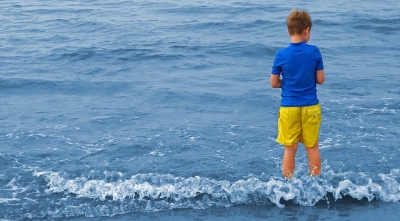
At the sea, swimming is generally most appealing in summer, though individual water temperatures vary. The Slovenian coast is short and beaches differ from the long sandy stretches some visitors expect elsewhere. Our coastal guide explains the main towns. Use sun protection and schedule longer walks for mornings or evenings during hot periods.
For mountain travellers, summer often opens more high-altitude options, although storms remain a serious consideration. Start hikes early, monitor forecasts and carry suitable equipment. A valley may be warm while a ridge is windy and cold. Never treat a general “summer hiking season” as assurance that a particular trail is safe on your chosen day. Seek local advice for difficult or exposed routes.
City sightseeing in midsummer is possible, but a midday walking tour can be tiring. Build in shaded parks, cafés and indoor attractions. The contrast between a hot city street and a cooler Alpine area is one advantage of a multi-region trip. If you can travel outside the busiest weeks, June or late August may be more comfortable for a mix of city, lakes and coast.
Autumn: September to November
September is a strong all-round option. The coast may still be pleasant for swimming, city walks are often easier than in peak summer, and many outdoor facilities remain active. It can suit travellers who want to combine Ljubljana’s sights, wine areas and the Adriatic. Yet no month guarantees dry weather, and late September conditions in the mountains differ from those at sea.
October works well for a city or cultural trip and can bring appealing colours in parks and forests. Daylight shortens and some seasonal activities reduce their hours. A trip focused on high trails needs more caution as weather becomes changeable and early snow can arrive. Plan an alternative for rain. Wine-related events and harvest activity vary by region and year, so check the calendar rather than assuming a festival on a particular weekend.
November is often quieter but also less suited to a beach holiday or ambitious mountain itinerary. Museums, food and short city walks can still make a worthwhile trip. Accommodation choices and opening days may differ from summer, especially in smaller resorts. Compare actual operating dates before booking a rural stay.
Winter: December to February
Winter in Slovenia is not just one thing. Inland cities can be cold, damp or snowy, while the coast is usually milder. In the mountains, snow and ice require suitable equipment and realistic plans. Ski-resort operation depends on snow, weather, maintenance and individual lifts. Check a resort’s current snow report instead of treating December-to-March as a guarantee of skiing.
Ljubljana and Maribor can be enjoyable for indoor culture, food and winter atmosphere, but daylight is limited. Allow more time for road or rail disruption in poor conditions. A winter trip is easier when you plan short outdoor sections and a flexible indoor programme. Visitors using a car should check winter-equipment rules, the motorway vignette and live road information.
For a snowy landscape, Kranjska Gora and Planica are well-known areas, though snow cover and activity schedules vary. Do not enter a mountain trail merely because it is popular in summer. Avalanche information, route conditions and daylight become central to planning.
Best time for the Slovenian coast
The coast includes several distinct bases. Portorož has a resort character, Piran a dense historic centre, and Koper and Izola work well for urban and seaside combinations. June through September is the broad beach period, with July and August often the busiest. If your priority is a relaxed historic-town visit rather than swimming, late spring or early autumn may suit you better.
The bora and other strong winds can affect coastal comfort and transport at different times. A forecast of sunshine does not tell the whole story if wind is strong. During peak summer, plan parking or public transport in advance, especially when staying outside pedestrian areas. For a quieter visit, accept that some seasonal tours, restaurants or beach services may have shorter opening periods.
Best time for Ljubljana and Maribor
For a traditional city break, April to June and September to October are often convenient. Walking between sights is a major part of both cities, so moderate weather helps. Ljubljana offers museums and cafés if it rains; Maribor adds riverfront streets, wine culture and a compact historic core. See our guides to Ljubljana’s market and Maribor’s sights.
Summer can work if you start sightseeing early and take midday breaks. Winter brings a different mood, sometimes with festive events, but shorter hours and cold evenings. Check public holidays before relying on a particular shop or museum. A train-based city trip can be practical year-round, provided you check current timetables.
Best time for Lake Bled and Lake Bohinj
Lake Bled is a year-round destination, but the visitor experience changes with the season. Summer is popular for lake activities and surrounding walks, which also means heavier demand for rooms and parking. Spring and autumn may be appealing for scenery and a less hurried stay, while winter can be beautiful but colder and shorter. Our Bled guide covers the setting in more detail.
Lake Bohinj feels closer to the high mountain landscape. Summer is useful for water sports and walking, but water and air temperatures should be assessed on the day. Trails beyond the shore can enter much more demanding terrain. Check regulations in Triglav National Park and protect the environment: stay on paths, respect swimming rules and take litter away. The wildlife guide offers background for nature travel.
Best time for the Alps and outdoor sport
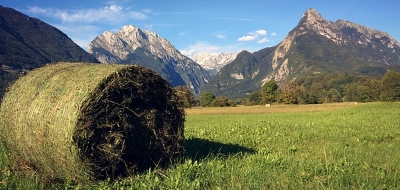
For ordinary valley walks, late spring through autumn may offer opportunities depending on weather. Higher and more exposed hikes belong to a narrower safe window and demand skill, equipment and a current local assessment. Elevation matters more than a national monthly average. A route near Bovec or Bohinj can start in mild weather and reach a cold, windy ridge.
River activities such as rafting and kayaking follow operator schedules, water levels and safety decisions, not just warm air temperature. Water can remain cold in summer. Book with a qualified provider, follow its equipment rules and check whether weather cancellation is possible. For skiing, use live resort reports and do not infer that a winter booking guarantees snow.
Choosing dates for a multi-region itinerary
For a first trip combining cities, a lake and the coast, late May, June or September often offer a sensible balance. June gives long days and many summer options; September can be pleasant at the sea while city heat is less intense. High-altitude hiking may call for a different window, while winter sports clearly require a winter plan. Put your most important activity first, then choose the month around it.
Allow travel time between regions even though Slovenia looks small. Mountain roads, weather, traffic and stops can make a short map distance take longer than expected. If your itinerary is packed, choose two bases rather than changing accommodation every night. Our where-to-go guide can help narrow the regions.
Compare accommodation in Ljubljana, at the lakes, on the coast or in the Alps. Check cancellation terms and seasonal facilities for your dates.
Weather, packing and flexibility
Pack for your itinerary rather than one forecast icon. Light layers, rain protection, comfortable walking shoes and sun protection are useful on most mixed trips. For high trails or winter travel, specialist equipment and local advice may be necessary. Leave room in your schedule to move an outdoor activity to a better day. A prebooked tour may have specific cancellation terms, so read them before purchase.
Heat, heavy rain, strong wind and storms can all alter plans. Use official warnings and obey closures. If a boat trip or lift is cancelled, switch to a museum, historic town or food stop rather than attempting to force the original plan. Many of Slovenia’s strengths are close enough together that a flexible traveller has options.
Compare available tours after you know the season and base. Check the departure point, weather policy and whether transport is included.
Frequently asked questions
What is the best overall month for Slovenia?
There is no single best month. June or September often works well for a mixed trip, but winter sports, peak swimming and high-altitude hiking have different priorities.
Is Slovenia warm enough for a beach holiday in May?
May can be pleasant for coastal sightseeing, but do not assume consistently comfortable swimming conditions. Check current sea and air temperatures.
Is July too hot for Ljubljana?
It can be hot for long midday walks. Begin early, use shaded breaks and include indoor sights; weather varies from year to year.
Can I hike in the Alps in October?
Some lower walks may be possible, but high routes can have snow, ice or fast-changing weather. Check local conditions and choose a route appropriate to your equipment and experience.
Are attractions open in winter?
Many urban attractions operate, but hours can be shorter. Outdoor facilities, lifts and seasonal tours vary; check each provider directly.
Final choice
Choose the dates around the activity you value most. For a varied first visit, late spring or early autumn can balance sightseeing and outdoor time. For guaranteed access to a specific tour or sport, verify the operator’s season before booking flights and accommodation. Then keep the daily plan flexible enough for Slovenia’s very different coastal, inland and Alpine weather.