 Posted by
Slovenia offers an unusually wide choice of outdoor activities in a small area: Alpine hiking, cycling, skiing, paddling on the Soča and water sports on the Adriatic coast. The right region and season matter more than a general promise that the whole country is suitable for every sport. This guide helps travellers choose an activity, understand the practical requirements and find an appropriate base.
At a glance
- Hiking: Julian Alps, Triglav National Park and many lower routes; difficulty varies sharply.
- White water: Bovec and the Soča Valley are major bases; permits and designated access points matter.
- Cycling: From easier valley rides to demanding mountain roads and trails.
- Winter: Skiing and cross-country options depend on live snow conditions.
- Coast and lakes: Swimming, paddling, sailing or rowing where permitted and conditions allow.
- Book carefully: Check operator qualifications, equipment, inclusions and weather cancellation rules.
Choosing an active holiday in Slovenia
Slovenia’s mountains, rivers and coast are close on a map, but it is better to choose a main base than to drive from one sport to another every day. Bovec suits Soča Valley activities, Kranjska Gora serves northwestern mountain trips, Bohinj puts you near lake and Alpine routes, and Portorož is a coastal resort base. Your skill and time determine whether a guided adventure or a simple public path makes more sense.
Sports prices and schedules change; an old claim that one resort is always cheaper than Austria or that a river is open every day of a fixed period is insufficient. Check the relevant operator and local tourist organisation for the actual date. This article focuses on selecting activities and avoiding mismatches between an attractive photograph and the conditions on the ground.
Outdoor safety is not a reason to avoid Slovenia. It is a reason to match the route, weather and equipment to your experience. A lakeside stroll is different from a high mountain hike; a supervised introductory raft trip is different from an independent technical descent. Be honest about your group when booking.
Hiking in the Julian Alps
Hiking is one of the easiest ways to enjoy Slovenia, but the word covers a very broad range. Lower valley paths can suit a relaxed half-day, while exposed Alpine routes may require navigation skill, helmets, specialist equipment or a qualified guide. Do not judge a trail solely by its distance. Elevation gain, terrain, weather and your return transport are just as important.
Triglav National Park is a major draw. Check park rules, closures and conditions, and stay on marked paths. A crowded route in summer does not become safe simply because many others use it. Start early when a long day or afternoon storms are possible; carry water, layers, rain protection and a map. If snow or ice remains, an ordinary summer walking shoe may be inadequate.
Lake Bled and Bohinj offer easier walks near water as well as access to more demanding routes. In the Planica Valley, you can combine a sports-centre visit with a walk toward Tamar. Choose a route according to current local advice, not a generic “best hike” list. Our season guide explains why high trails have a different useful window from city walks.
Guided versus independent hiking
An independent walk can be inexpensive and flexible if you have appropriate experience and a well-matched route. A guide adds value for a technical route, unfamiliar conditions or interpretation of the landscape. Ask what is included, how large the group will be and which equipment you need to supply. A guide cannot guarantee good weather, so check the cancellation or alternative plan.
Kayaking and canoeing on the Soča
The Soča Valley is a well-known white-water region. Bovec is a practical base for guided kayaking, rafting and other river activities. The water is visually striking, but its appearance should not be mistaken for ease or warmth. Sections vary in current, obstacles and difficulty, and river levels can change after rain. Beginners should use an appropriate supervised outing rather than copying an experienced paddler’s route.
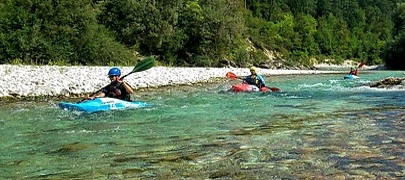
Local navigation rules apply to the Soča and Koritnica. The Soča Valley tourist organisation says a fee and permit are required and explains the official season and access arrangements. Check its current information before independent navigation. Designated entry and exit points help protect the river and keep activity organised. An operator-led booking should make clear whether the necessary permit, equipment and transfer are included.
Helmet and buoyancy equipment are standard concerns, but do not turn a short gear list from an old travel article into a complete safety standard. Follow the operator and official local rules for your activity. Cold water, strainers and changing levels can pose serious risks even in warm air. If a provider cancels after a storm, that is a safety decision, not simply an inconvenience.
Our Bovec guide helps with accommodation and the wider valley. A traveller with one day may choose a guided raft trip; someone who wants to develop kayaking skills should look for a suitable course, not only the cheapest descent.
Rafting for first-time visitors
Rafting groups travel with a guide in an inflatable boat. The operator chooses the section and timing according to water and participant ability. Read the minimum age and any health or swimming requirements before booking. A family-friendly offer and a more demanding white-water trip are not interchangeable. The advertised duration may include briefing, transport and changing time, rather than that many hours on the water.
Bring clothing that can get wet and ask about footwear, wetsuit and changing facilities. A photograph or transfer may be an optional extra. Read the cancellation policy for unsuitable water levels and weather. Prices differ by operator and season, so compare complete offers instead of relying on an old generic statement that rafting is inexpensive.
Ziplining and canyon activities
The Bovec area offers zipline outings that can appeal to travellers who want a structured adventure without paddling. The old article called one park the “largest in Europe” and gave fixed heights, speeds and line counts; these marketing facts can change and are not necessary for planning. Confirm the current route, duration, weight and height requirements, transport and equipment with the operator.
Canyoning is a different activity and may involve water, slippery rock, jumps or abseiling. Check its actual difficulty and whether any jump has an alternative. A guide should explain equipment and safety; a participant should disclose relevant limitations when booking. Do not choose an activity from a promotional image alone.
The existing GetYourGuide Bovec link remains useful for comparing current guided outings. Check the meeting point, skill level and inclusions.
Cycling: valleys and mountain roads
Slovenia has routes for touring cyclists, road riders and mountain bikers. A route that appears short can be demanding if it climbs through the Alps. Check elevation profile, traffic, surface and weather. E-bikes can help on hills but require battery planning. For a relaxed day, choose a signed valley or lakeside route with a realistic return.
Mountain-bike trails may have local rules or dedicated access. Do not ride on a pedestrian-only path simply because it is wide enough. Wear a helmet and suitable protection; check current Slovenian legal requirements for your age and vehicle type rather than relying on an old article’s generalisation. A bike-rental shop should explain what equipment and repair support are included.
For a multi-day cycling holiday, choose accommodation that can store a bike and allow drying of wet clothing. Compare distances between overnight stops with the terrain, not just kilometres. Our regional guide helps distinguish coastal, Alpine and eastern routes.
Skiing and snowboarding
Slovenia has several winter-sport areas, including Kranjska Gora and mountain areas elsewhere. Snow conditions and lift operation change by winter and even by week. Before booking a trip focused on downhill skiing, check live slope and lift reports. A historical statement that one place is the “largest resort” can be misleading when areas are compared by different measures.
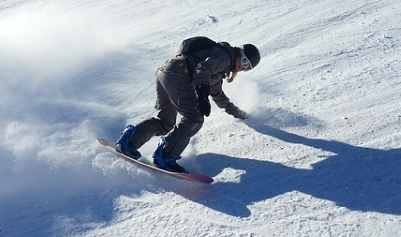
Budget for lift passes, rental, instruction, accommodation and transport. A cheaper room can be poor value if reaching the lift requires an inconvenient drive. Beginners should reserve suitable lessons and look at the learning area rather than only the highest runs. Off-piste or backcountry terrain requires additional training, equipment and current avalanche information.
Winter sport is not limited to downhill skiing. Cross-country facilities at Planica and other valleys may be attractive when conditions allow. Check track preparation and access. Our Kranjska Gora guide gives the regional setting.
Rowing and lake activities
Lake Bled has a rowing tradition, and visitors may be able to hire a rowing boat where operators permit it. Lake Bohinj also offers water activities subject to local rules. Rental availability, safety equipment and weather matter. Wind can make a return harder than an outward paddle suggests. Ask the provider where you may go and whether children need specific equipment.
Swimming areas and water quality information should be checked locally. A beautiful lake is not automatically a supervised beach, and water can be cold beyond the shore. Respect protected areas and avoid landing on restricted banks. If your group prefers dry land, lakeside walking can offer the same scenery without equipment costs.
Sports on the Slovenian coast
Slovenia’s short Adriatic coast offers swimming, sailing, paddling and other activities depending on the town and season. Portorož has resort and marina facilities; Piran offers a historic-town setting; Izola and Koper add alternatives. The choice depends on whether you want a beach day, instruction, a rental or simply a seaside walk.
Strong wind and changing conditions can cancel a boat outing. Check the operator’s safety instructions and marine forecast. The old article’s sweeping statement that windsurfing is “only suitable to a limited extent” does not help identify a current provider or suitable day. Research the specific location and season instead.
Our coast guide compares the towns and transport. For a specialist sport, use a licensed or qualified operator with equipment appropriate to your experience. Do not assume a beach umbrella rental and a guided water activity follow the same opening schedule.
Seasons and weather
Spring and autumn often suit cycling and lower walks, while summer offers many high-mountain and water activities. Winter sports require actual snow and resort operation. A mountain storm can interrupt a summer plan; a cold river can remain challenging even in August. The travel-season guide gives a region-by-region comparison.
Build one flexible day into an active holiday. If water levels are unsuitable, visit a museum, town or a safer walking route rather than pushing ahead. Check forecasts from a reliable local source, and follow any park or river closures. A tour provider should be able to explain its weather policy before payment.
Costs and booking checks
Outdoor activity prices are not interchangeable. Compare how long you are actually active, group size, transport, permits, equipment, photos and cancellation conditions. A beginner lesson may cost more than equipment hire but offer far more value if you are learning. Book popular summer slots in advance, while leaving enough flexibility for weather.
Accommodation location matters for early departures. A room in Bovec makes a Soča morning easier than a distant base; a stay near Bohinj helps with lake or trail access. If you drive on toll motorways, include the Slovenian e-vignette. Our prices guide helps build a complete trip budget.
Compare accommodation near the activities you actually plan. Check equipment storage, parking and cancellation terms.
Frequently asked questions
Where should a beginner try rafting?
Bovec is a major base, but the appropriate river section depends on conditions and the operator. Book a trip clearly described for your ability and age group.
Can I kayak independently on the Soča?
Experienced paddlers must still follow local permit, access and seasonal rules. Beginners should choose instruction or a guided outing.
Is Slovenia suitable for a family cycling trip?
Yes, with an appropriate route. Check gradients, traffic, child equipment and the return plan rather than choosing solely by map distance.
When can I ski?
It depends on snow and lift operation. Use live reports for the resort and date, not a fixed national season.
Can I swim in Lake Bohinj?
Use permitted areas and check current local guidance, weather and water conditions. The lake’s setting does not imply every bank is suitable.
Do activities run in rain?
Some do, but high water, storms, wind or other conditions can make an outing unsafe. Read the operator’s policy and follow its decision.
Planning an enjoyable active trip
Select a region and a small number of activities that suit your group. Reserve the specialist experiences, leave time for scenery and food, and keep an alternative when the weather changes. Slovenia’s range is a strength when the itinerary remains realistic: a safe, well-chosen activity is more memorable than trying to do everything in one week.