 Posted by
Lipica Stud Farm is the birthplace of the Lipizzan horse and one of Slovenia’s most distinctive heritage attractions. Established in 1580, the estate remains a working place where horses are bred, cared for and trained. A visit is about more than watching white horses: the stables, Karst landscape and riding tradition explain how this small place became known far beyond Slovenia.
At a glance
- Best for: horse enthusiasts, families and visitors interested in cultural heritage.
- Allow: at least half a day for a tour and grounds, longer if attending a riding school programme.
- Book carefully: estate visits, training sessions and performances may be separate tickets.
- Travel: a car or organised excursion is easiest; check the final leg if using public transport.
- Nearby: the Karst, Koper and the Slovenian coast.
The history of Lipica
The stud farm was founded in 1580 under Habsburg rule. Its name survives in the internationally known Lipizzan breed; the Italian form of the place name is Lipizza. Horses, court culture and classical riding are linked in the story, but the farm’s history also includes disruption, relocation and rebuilding. Today the estate presents this long heritage while continuing to breed and train horses.
The Spanish Riding School in Vienna is a different institution, famous for its work with Lipizzans. Lipica is the Slovenian home associated with the breed’s origins. Visitors interested in both places can learn how a horse tradition developed across borders without treating the two institutions as interchangeable.
What can visitors see?
The exact route and programme depend on the day. A guided visit may introduce the historic stables, the horses, carriage heritage and the way the stud farm operates. The grounds themselves are important: pastures, avenues and limestone Karst scenery provide a setting quite different from a conventional indoor museum.
Check the official Lipica ticket page before travelling. It distinguishes available estate visits from official training and riding school performances. Prices, times and language availability change. A ticket to enter the grounds should never be assumed to include a show unless the description says so.
Guided tours
A guided tour is particularly valuable on a first visit. The guide can explain how the horses are bred and trained, what visitors may see in the stables and why the estate matters historically. English and Slovenian tours are listed among the regular options, while other languages depend on guide availability. Verify the tour language and meeting point when booking.
Arrive with enough time to park, find the entrance and join your group. Working areas may be closed or routes adjusted for animal welfare. Follow staff instructions around gates, fenced pastures and young horses. A working stud farm cannot be experienced exactly like a freely accessible park.
Riding school training and performances
Watching a horse and rider work together gives a different perspective from seeing animals in a field. Official training shows the patient development behind classical riding, while a staged performance is a more formal presentation. The programme is not necessarily offered every day, so choose your date based on what you most want to see.
Compare ticket types, timing and seating before purchase. If a performance is the main reason for your trip, book that specific event rather than hoping to find it on arrival. A quieter day with a guided estate tour may suit visitors more interested in the breeding story than the show.
Why do Lipizzans look white?
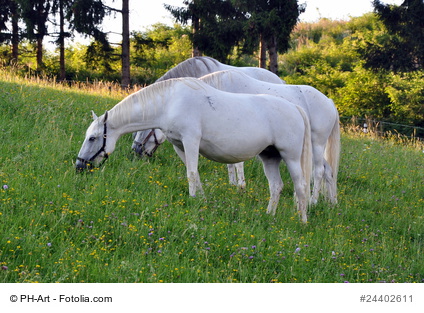
Many Lipizzans are born dark and become lighter over the years. Most mature horses are grey, which can appear white from a distance; some remain darker. Colour alone does not explain the breed. The breeding programme also considers lineage, conformation, temperament and suitability for training.
Visitors may see horses at different life stages. Do not feed them or reach over a barrier to touch them. Human snacks can harm animals, and even a calm horse can react unpredictably to a sudden movement. Children should remain with an adult near fences and stable passages.
Walking the estate
Leave time to enjoy the accessible outdoor areas after a tour. The Karst has a distinctive landscape of stone, woodland and open grazing ground. A slow walk allows you to appreciate the relationship between horses and their surroundings rather than treating the estate as a brief photo stop.
Weather affects comfort: take sun protection in summer, an extra layer outside the warm season and suitable shoes on varied surfaces. Respect any marked boundaries, because some areas are for staff, horses or conservation rather than public wandering.
Families and children
Lipica can make a memorable family outing if the schedule is not too crowded. A guided tour, a chance to observe horses and a short walk may be enough for younger children. Check current family programmes and age requirements for any pony or riding activity directly with the stud farm.
Explain in advance that a stud farm is a working environment. Quiet voices and safe distances help the horses, while a flexible plan helps children. If a performance is long for your group, choose an estate visit instead of buying the most extensive ticket automatically.
Accessibility
Historic buildings and outdoor paths may differ in surface and access. Visitors with mobility requirements should ask Lipica about the exact tour route, performance seating, restrooms and parking before booking. This is more reliable than assuming that all ticketed activities cover the same spaces.
How to get to Lipica
The estate lies in the Karst near Sežana and the Italian border. Driving is convenient if you also plan another stop, but check the entrance and parking location rather than navigating only to the place name. From Koper, Izola, Piran or Portorož, allow for local roads and traffic.
Public transport requires careful planning for the final stretch. A train or bus to a nearby settlement is not necessarily a service to the entrance. Confirm the return connection before relying on a taxi that may not be waiting. An organised excursion is another option, but read whether transport, admission and a horse programme are included.
Compare routes and inclusions if you want a day trip to Lipica or the wider Karst.
Where to stay
A Karst base suits a quiet rural trip, while a coastal hotel can turn Lipica into a day excursion. Compare the actual driving route or public transport links before choosing accommodation. Our coast guide helps distinguish the seaside towns.
Choose a Karst or coastal base to match the rest of your route.
What to combine with Lipica
The Postojna Cave is another inland attraction, although its fixed entry slots mean you should not pack the day too tightly. The coast offers contrasting experiences within a wider itinerary. Koper has a working port and historic square, Piran is a compact old town, and Portorož offers a resort promenade.
If your trip continues north, Ljubljana is a useful city stop. Plan driving times realistically and avoid adding a long mountain excursion to a day already filled with tickets and transfers. See where to go in Slovenia for broader route ideas.
Is Lipica worth visiting?
Yes, if horses, history or the Karst landscape interest you. The strongest experience is a programme that explains what you are seeing. A visitor with only a few hours and little interest in horses may prefer a coastal town, but a longer regional stay leaves room for this distinctive inland excursion.
Frequently asked questions
Is Lipica the same as the Spanish Riding School?
No. Lipica is the stud farm associated with the breed’s origins; Vienna’s Spanish Riding School is separate.
Are the horses born white?
Many are born dark and lighten as they grow older.
Do I need a show ticket?
Only if you specifically want a performance. Check separate estate and training ticket options.
Can I reach Lipica without a car?
Possibly, but confirm the full journey and return. Nearby public transport stops may leave a significant final leg.
How the stud farm works today
A stud farm is a place of breeding and care, not only a venue for performances. Different horses may be at different stages of training, and some areas can be closed while staff work. A good guide explains how horses are selected, raised and introduced to work. This everyday context makes the riding school easier to appreciate: graceful movements are the result of gradual learning and attentive animal care.
Do not expect every horse to be in a stable where a visitor can photograph it. Pasture use changes with season and management needs. Staff may redirect a tour to protect a young animal or avoid a working area. The ability to adapt is part of visiting a living institution.
How to choose a ticket
Begin with the date you can travel, then check the official calendar. If there is an estate tour but no performance, decide whether the breeding history and grounds are enough for you. If you specifically want to see classical riding, compare an official training session with a staged show and read the descriptions carefully. A combination ticket may be convenient, but only if you can attend both parts without rushing.
Check whether children have separate prices and whether a guided language is available at your chosen time. Look for cancellation terms if your itinerary depends on weather or transport. Arrive early enough to find the correct entrance; a ticketed event may start at a set time even when the broader estate is open longer.
Photography and animal welfare
Horses are visually striking against Lipica’s landscape, but a good photograph should not come at the animal’s expense. Keep behind barriers, avoid flash where prohibited and do not call or whistle to make a horse turn its head. If a horse moves away, let it do so. A wide shot of the estate can convey more than an intrusive close-up.
Ask staff before photographing a training session or private activity. Rules can differ between tour areas and performances. Share images with accurate captions: a dark young Lipizzan is still a Lipizzan, and a grey adult may look white without being described as a separate breed.
Karst context
The Karst is not just the land around a famous stable. Its limestone terrain, scattered trees and pasture give the estate its visual character. A regional itinerary can connect Lipica with caves, villages and the coast, but each site deserves enough time. Check travel and opening arrangements rather than assuming two places close on a map can be visited on one hurried ticket schedule.
In warm weather, take water for walks beyond the main buildings. Some paths are exposed to sun and surfaces can be uneven. If you have a car, a coastal base gives a striking contrast between morning countryside and evening Adriatic views; a local Karst base offers a slower pace.
A realistic half-day at Lipica
Arrive ahead of your tour, orient yourself at the entrance and begin with the guided portion. Afterward, see any accessible heritage displays and take an unhurried walk in the grounds. If you booked training or a performance, leave a generous gap for the scheduled start. A meal or coffee before departure avoids trying to fit another distant attraction into the same half-day.
For families, shorten the programme if children need a break. For horse enthusiasts, consider allowing nearly a full day so you can watch without checking the time. No itinerary should depend on a guaranteed close encounter with a particular animal.
For a second visit, choose a different programme rather than repeating the same short tour. A performance, training session or longer look at heritage displays can answer questions raised on your first trip. Always check whether the schedule actually offers the activity on your chosen day.
Check the official programme again shortly before departure, since working farms can adjust visitor arrangements. Good planning leaves time to appreciate both the horses and the setting without rushing them.